Phoenix Post Tension Cable Locating Experts
Free, no-obligation consultation — quick response time
What Is Post Tension Cable Locating?
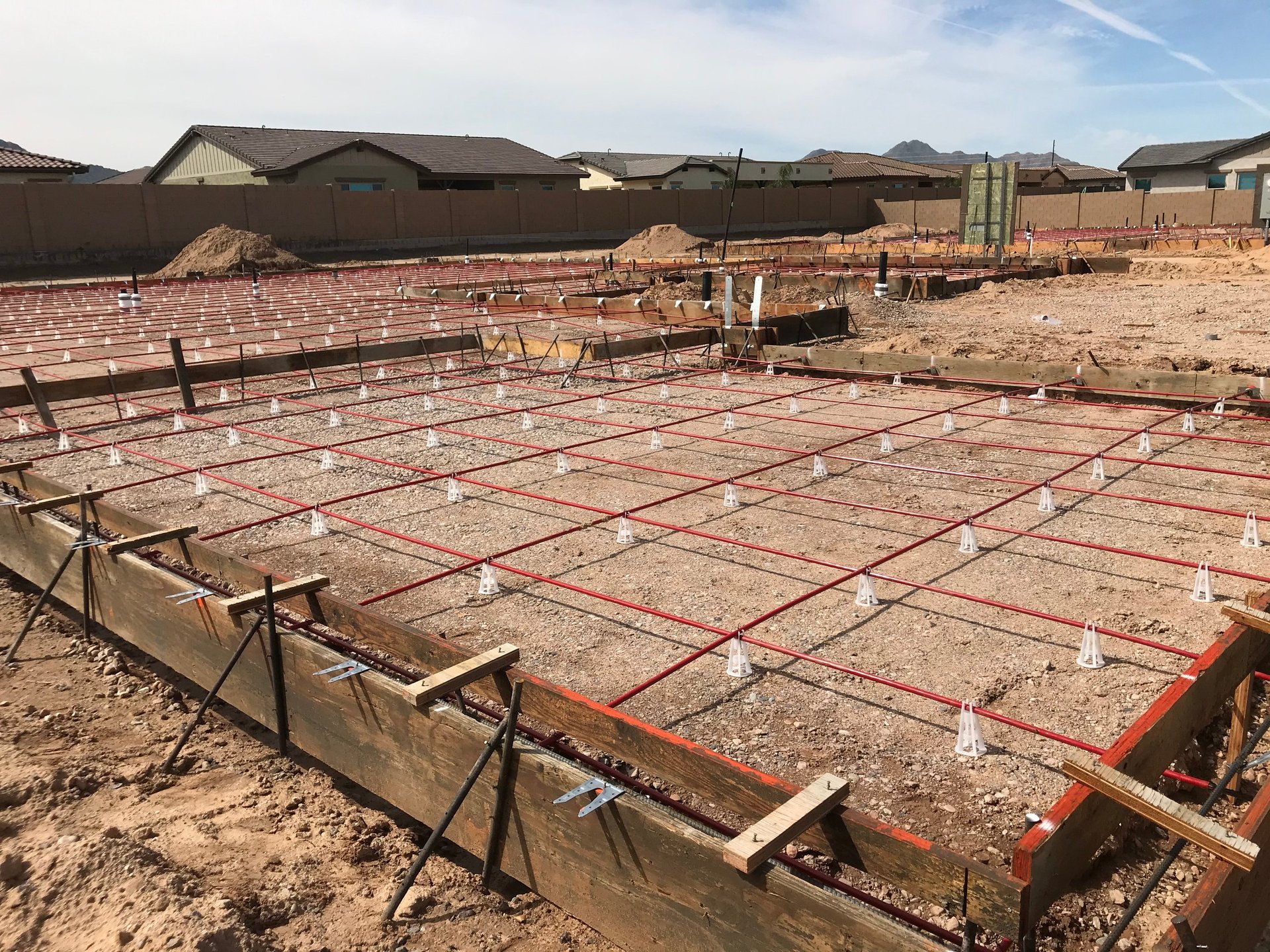
Post tension (PT) concrete is a construction method that uses high-strength steel cables tensioned within concrete slabs to create compressive force. This approach allows for thinner slabs, longer spans between supports, and greater structural efficiency than traditional reinforced concrete. It's widely used throughout Phoenix in commercial buildings, parking structures, multi-family housing, office towers, residential foundations, elevated decks, and podium construction.
The challenge with post tension construction is that the tensioned cables are embedded within the concrete and invisible from the surface. A single cut or drill penetration into a tensioned cable releases stored energy violently, compromises the structural integrity of the entire slab, and creates an immediate safety hazard for everyone on site. Repairing a severed PT cable is complex, expensive, and typically requires engineering assessment — often with project delays measured in weeks, not days.
Post tension cable locating uses ground-penetrating radar (GPR) and electromagnetic scanning technology to identify the exact position and orientation of cables, rebar, conduits, and other embedded components within concrete before any cutting, coring, drilling, or trenching begins. The result is a clear map of what's inside the slab — giving contractors the information they need to work safely and confidently.
When Post Tension Cable Locating Is Needed
Core Drilling Projects
Before creating openings for plumbing risers, electrical chases, HVAC penetrations, or structural modifications through post tension slabs. Every core location must be verified clear of cables before the drill bit touches concrete.
Concrete Cutting & Saw Cutting
Wall sawing, flat sawing, and hand sawing operations require scanning along the entire cut line to ensure no PT cables, stressing pockets, or anchorages are inadvertently severed.
Trenching & Excavation
Installing underground utilities through or adjacent to post tension slabs requires locating cables before breaking concrete — protecting the structural system from damage during trenching.
Remodel & Renovation Projects
Tenant improvements, bathroom remodels, kitchen renovations, and commercial build-outs often involve moving plumbing, adding drains, or relocating electrical — all requiring penetration through PT slabs.
Plumbing Repairs & Reroutes
Replacing or rerouting drain lines, water supply lines, and gas lines through concrete floors demands precise cable location data before plumbers begin breaking concrete.
Pool & Deck Modifications
Adding features, modifying pool decks, or installing equipment on post tension concrete requires scanning to protect embedded structural components and ensure safe anchoring.
The Risks of Cutting Into Post Tension Cables
Understanding what's at stake highlights why professional locating is the most important step before any concrete work begins.
Structural Damage
Severing a PT cable relieves tension across an entire slab or beam, potentially causing cracking, deflection, and compromised load-bearing capacity. In severe cases, the affected structural element may require complete replacement — not just a localized repair.
Worker Safety Hazards
Tensioned cables store enormous energy. When cut, the sudden release can throw tools, propel shrapnel from the concrete surface, and cause serious injury. A cut cable can also cause immediate structural deflection that endangers everyone in the area.
Expensive Repairs
Repairing a damaged post tension cable requires specialty contractors, engineering assessments, and often custom-fabricated repair components. Costs routinely exceed $10,000 to $30,000 per cable strike — far more than the cost of professional locating services.
Project Delays
A PT cable strike stops work immediately. Engineering review, repair design, permitting, and specialty repair work can delay a project two to six weeks — costing far more in schedule impact than the direct repair expense.
Liability & Insurance Exposure
Contractors are responsible for damage caused during their work. A cable strike can trigger liability claims, increase insurance premiums, and damage professional reputation. Many general contractors now require documented concrete scanning before allowing any slab penetration.
Failed Inspections & Remediation
Structural damage from a cable strike typically requires third-party engineering review and city inspection sign-off before work can resume. This process adds cost, delay, and scrutiny that could have been entirely avoided with a pre-work locate.
Our Post Tension Cable Locating Process
A thorough, documented approach that gives your crew the information they need to work safely and efficiently.
Project Consultation
We review your project scope — core locations, cut lines, trench routes, or modification areas — and review structural drawings to understand the building's PT layout, slab thickness, and any known embedded components.
Site Evaluation
Our technician evaluates site access, surface conditions, and slab configuration to determine the most effective scanning approach for the specific concrete type and thickness.
Concrete Scanning
Using ground-penetrating radar (GPR) and electromagnetic scanning equipment, we systematically survey the designated areas of the slab. Our equipment detects differences in material density, identifying cables, rebar, and other embedded objects in real time.
Cable Identification
We identify and differentiate between PT cables, mild steel reinforcement, electrical conduit, and plumbing lines embedded within the slab — giving you a complete picture of what's inside before anyone penetrates the concrete.
Utility Verification
We cross-reference findings with available plans, verify cable orientations and patterns, and confirm that all embedded components in the work area have been identified and documented.
Surface Marking
Each identified PT cable, rebar pattern, and embedded utility is clearly marked on the concrete surface with industry-standard color coding, giving your crew a clear visual guide for cutting, drilling, or coring.
Reporting & Documentation
You receive a detailed written report with scan data, marked-up photos, and clear documentation for your project records, permitting package, or general contractor submittal requirements.
What We Can Locate Inside Concrete
Our scanning technology doesn't just find PT cables — it gives you a comprehensive picture of everything embedded within the slab. This protects all buried infrastructure and ensures your crew can work confidently across the entire project area.
Post Tension Cables
Precise location of cable paths, anchorages, and stressing pockets. We identify cable orientation, spacing, and depth within the slab — the essential information contractors need before any penetration.
Rebar & Reinforcing Steel
Detection of rebar patterns, bar spacing, and cover depth. Useful for both avoiding steel during cutting and locating steel for structural connections or epoxy anchor installations.
Electrical Conduit
Identification of embedded electrical raceways within slabs. Protects power and data infrastructure from accidental damage during coring, drilling, or trenching operations.
Plumbing Lines
Mapping of embedded water supply, drain, and vent lines within concrete structures. Prevents costly plumbing damage and water intrusion during slab penetrations.
Embedded Utilities
Location of all buried services within the slab including gas lines, communication conduits, and specialty system infrastructure hidden from visual inspection.
Voids & Anomalies
Detection of honeycombing, delamination, and subsurface voids that could affect drilling safety or indicate concrete quality issues requiring further investigation.
Who Uses Our Post Tension Cable Locating Services?
Why Choose Sound Choice Leak Detection
Post tension cable locating demands more than just having the right equipment — it requires experienced operators who understand construction, can interpret scan data accurately, and know what they're looking at. At Sound Choice Leak Detection, our technicians have scanned thousands of square feet of post tension concrete across the Phoenix metro area, from high-rise podium decks in downtown Phoenix to residential foundations in Scottsdale and commercial slabs in Chandler.
We invest in commercial-grade ground-penetrating radar and electromagnetic scanning systems that provide the resolution and depth penetration needed for real-world construction conditions. Our equipment detects cables through thicker slabs, identifies smaller-diameter tendons, and differentiates between PT cables and standard rebar — capabilities that entry-level scanning equipment cannot reliably deliver.
Most importantly, we understand the contractor's workflow. We show up on time, work efficiently, mark the slab clearly, and provide documentation that satisfies GC requirements and permitting authorities. Our reports are contractor-ready: clear, accurate, and actionable. When you see our marks on the concrete, you can drill with confidence.
Advanced Locating Technology
Commercial-grade GPR and electromagnetic scanning systems that deliver reliable results on real job sites.
Accurate Results
Precise cable mapping helps reduce risk, avoid costly mistakes, and keep projects on schedule.
Non-Destructive Testing
Complete concrete assessment without damaging the slab, drilling exploratory holes, or compromising the structure.
Local Construction Experience
Deep familiarity with Phoenix building types, PT construction methods, and regional concrete practices.
Contractor-Friendly Reporting
Clear surface markings and documented reports that satisfy GC, engineering, and permitting requirements.
Fast Scheduling
Quick turnaround to keep your project moving — often on site within 24 hours for urgent contractor needs.
Why Concrete Scanning Saves Money
Professional post tension cable locating costs a few hundred to a few thousand dollars depending on the scope — a line item that some contractors are tempted to skip. But the math is clear: a single severed PT cable costs $10,000 to $30,000 to repair in direct costs alone, plus two to six weeks of project delay, plus the engineering fees, inspection costs, and insurance impact. Even one cable strike over a career makes the case for scanning every time.
Avoid Structural Repairs
A PT cable repair is not a simple patch — it requires specialty contractors, engineered solutions, and often months of follow-up.
Prevent Project Delays
The schedule impact of a cable strike dwarfs the cost of pre-work scanning. Budget a few hours for locating instead of weeks for repair.
Reduce Contractor Liability
Documented scanning demonstrates due diligence and protects against claims of negligence or improper work practices.
Protect Project Budgets
The cost of scanning is predictable and minor compared to the unbudgeted expense of emergency structural repairs.
Improve Jobsite Safety
Protecting workers from the hazards of a sudden cable release is the most important return on investment of all.
Increase Construction Efficiency
Knowing exactly where to drill means crews work faster, with more confidence, and without second-guessing every penetration.
Post Tension Cable Locating Throughout Phoenix
Sound Choice Leak Detection provides professional post tension cable locating and concrete scanning services across the entire Phoenix metropolitan area. We support commercial construction projects in downtown Phoenix and the Camelback Corridor, multi-family and podium construction in Tempe and Scottsdale, retail and office developments in Chandler and Gilbert, industrial facilities in Glendale and Peoria, and residential foundation modifications throughout Paradise Valley, Mesa, Surprise, Goodyear, Avondale, Buckeye, and Queen Creek.
Our technicians are experienced with the post tension construction methods, slab designs, and building types common across the Valley — from high-rise commercial towers to single-family residential foundations. We understand the local construction environment, work efficiently around active job sites, and provide documentation that meets the requirements of Valley building departments and engineering reviewers.
Frequently Asked Questions
What is a post tension cable?
Why is post tension cable locating important?
Can you locate cables before core drilling?
How accurate is concrete scanning?
Can you locate rebar and conduit too?
How long does post tension cable locating take?
Is scanning required before cutting concrete?
What happens if a post tension cable is damaged?
Know What's Inside the Concrete Before You Cut
Whether you're planning core drilling, trenching, remodeling, or concrete cutting, Sound Choice Leak Detection provides accurate post tension cable locating services that help protect your project, your crew, and your budget.