Phoenix Irrigation System Leak Detection & Locating Experts
Free, no-obligation consultation — quick response time
Signs You May Need Phoenix Irrigation System Leak Detection
Unusually High Water Bills
Irrigation systems account for a large portion of residential and commercial water use in Phoenix. A hidden leak can send your monthly water bill soaring without any visible sign of a problem above ground.
Soggy Areas in Landscaping
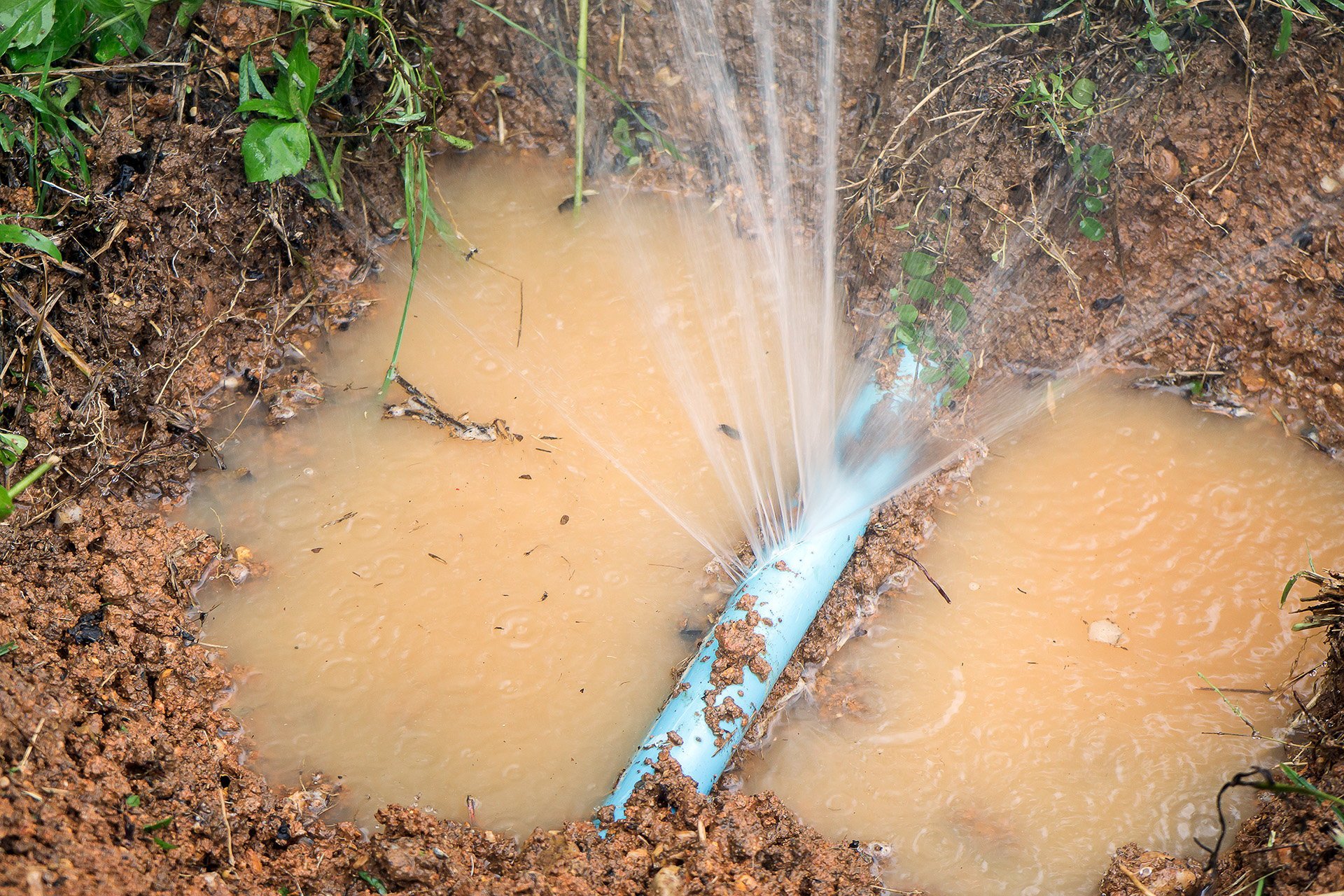
Persistent wet spots, mud, or standing water in planting beds, lawn areas, or near hardscape — especially when the irrigation system is off — strongly indicates an underground pipe or valve leak.
Dead or Stressed Plants
Inconsistent water delivery from a leaking system means some plants get too much water while others get too little. Yellowing, wilting, or dying plants despite regular irrigation scheduling is a red flag.
Low Water Pressure
A break in an underground irrigation line reduces pressure throughout the system, causing sprinkler heads to underperform, spray patterns to shrink, and drip emitters to fail.
Constantly Running Zones
A stuck or leaking irrigation valve can cause a zone to run continuously — even when the controller says it's off. This wastes enormous amounts of water and may go unnoticed for weeks.
Erosion & Uneven Coverage
Water from an underground leak can erode soil beneath hardscape, create depressions in planting beds, and cause some areas to be overwatered while others dry out completely.
Professional Irrigation Leak Detection Services in Phoenix
Irrigation systems in Phoenix face a uniquely demanding environment. Triple-digit temperatures, mineral-rich water, expansive soils, and year-round operation mean that even well-designed systems develop leaks over time. At Sound Choice Leak Detection, we bring the same advanced electronic detection technology used for major water mains and pool plumbing to residential and commercial irrigation systems — finding leaks that visual inspections alone will miss.
Our approach to irrigation leak detection is systematic. We evaluate the entire system — from the backflow preventer and main supply line through every zone, valve, and lateral line — to identify pressure losses, locate underground breaks, and pinpoint faulty components. By isolating each zone and pressure-testing individual line segments, we narrow the search area to specific locations so your landscaper or irrigation contractor can make targeted repairs without trenching through your entire yard.
01Electronic Leak Detection
Using acoustic sensors and electronic correlation equipment, we detect the sound signature of pressurized water escaping from underground irrigation pipes. This allows us to pinpoint leak locations through soil, turf, rock, and hardscape — without exploratory digging or landscape damage.
02Valve Locating Services
Buried irrigation valves are often hidden beneath overgrown planting beds, decorative rock, or years of accumulated landscape material. Our electromagnetic valve locating equipment finds buried solenoid valves quickly, so they can be serviced, repaired, or replaced without guesswork.
03Irrigation Line Locating
Before any landscape renovation, hardscape installation, or excavation work, we map the route and depth of underground irrigation piping. Knowing exactly where your sprinkler lines and drip tubing run prevents costly accidental damage and helps contractors work safely.
04Zone Diagnostics
We evaluate each irrigation zone independently — checking pressure, flow rate, and coverage — to identify which zones are underperforming and whether the root cause is a leak, a valve issue, a clogged emitter, or a controller programming problem.
05System Pressure Testing
By isolating individual zones and pressurizing them, we can determine whether each section of the irrigation network holds pressure. A drop in pressure confirms a leak, and the rate of loss tells us how severe it is — information that helps prioritize repairs.
Common Irrigation Problems We Locate
Underground Irrigation Pipe Leaks
Leaks in buried PVC and poly pipe beneath lawns, decorative rock, and planting beds. These leaks often go completely unnoticed at the surface while wasting hundreds of gallons per day.
Sprinkler Line Leaks
Damaged sprinkler lateral lines causing reduced head performance, poor spray coverage, and water pooling around sprinkler heads. Often caused by root intrusion, soil shifting, or accidental impact.
Drip Irrigation Leaks
Drip systems are widely used throughout Arizona landscapes and are susceptible to emitter clogging, tubing punctures, and connector failures that create slow but persistent leaks.
Buried Valve Locating
Solenoid valves buried beneath landscaping often become impossible to find without specialized equipment. We locate hidden valves for repair, replacement, or smart controller upgrades.
Broken Irrigation Zones
Zones that fail to activate, won't shut off, or produce visibly incorrect coverage patterns. We diagnose whether the issue is electrical, hydraulic, or structural — and locate the specific failure point.
Main Supply Line Leaks
Leaks between the water source and the irrigation manifold waste water before it even reaches a zone. These high-flow leaks can drive bills up dramatically and are a priority to locate and repair.
Why Irrigation Leaks Are Common in Phoenix
Extreme Arizona Heat
Phoenix summers see sustained temperatures above 110°F, with ground surface temperatures far higher. PVC and polyethylene irrigation pipe expand and contract daily under this thermal load, and over years of cycling, pipe walls weaken, joints loosen, and fittings crack — especially in shallow-buried lines typical of residential installations.
Expansive Soil Conditions
Arizona's clay-rich soils swell when irrigated and shrink dramatically during dry periods. This constant ground movement flexes, bends, and stresses underground irrigation pipes, eventually cracking rigid PVC lines and pulling apart slip-joint connections. The same soil that grows beautiful desert landscapes also slowly destroys the pipes that water them.
Aging Irrigation Infrastructure
Many Phoenix-area irrigation systems were installed 15 to 25 years ago and have operated with minimal inspection or maintenance since. PVC becomes brittle with age and UV exposure. Valves accumulate mineral deposits. Drip tubing degrades. Without regular evaluation, these systems fail silently — leaking water underground until a bill or a dead plant reveals the problem.
Tree Root Intrusion
Desert-adapted trees have extensive root systems that actively seek out moisture. Even a hairline crack in an irrigation pipe releases enough water to attract roots, which then enter and expand the opening. Over time, root masses can completely obstruct pipes, crack fittings, and create cascading failures throughout a zone.
Hard Water Conditions
Phoenix water is mineral-rich, and over years of operation, calcium and other minerals build up inside irrigation valves, emitters, and small-diameter tubing. This scaling reduces flow, increases pressure at weak points in the system, and causes components to fail mechanically — all while leaks go undetected below ground.
Year-Round Irrigation Usage
Unlike cooler climates where irrigation systems are winterized and dormant for months, Phoenix landscapes need water throughout much of the year. This near-continuous operation means more cycles, more wear, and more opportunities for small problems to develop into large leaks — with no off-season window for inspection and maintenance.
Irrigation System Locating Services
Know where every pipe, valve, and line is before you dig. Our locating services give you the map you need.
Most irrigation systems were installed years or decades ago — and if the original layout plan ever existed, it's long gone. Trying to locate buried irrigation components by probing or digging blindly damages landscaping, wastes time, and often creates new problems. Sound Choice Leak Detection uses electromagnetic pipe tracing and ground-penetrating radar to map your irrigation infrastructure from the surface, giving you an accurate picture of what's underground before anyone puts a shovel in the ground.
Our irrigation locating services are essential for homeowners planning landscape renovations or hardscape installations, HOAs managing multi-acre common area irrigation networks, landscapers and contractors preparing for system upgrades or repairs, commercial property managers responsible for large-scale irrigation at office parks and retail centers, and anyone who needs to dig safely without damaging buried infrastructure.
Locate Buried Irrigation Pipes
Map underground sprinkler and drip system layouts with electronic tracing technology.
Locate Irrigation Valves
Find hidden solenoid valves buried beneath landscaping, rock, and overgrowth.
Pre-Renovation Planning
Protect irrigation infrastructure before landscape upgrades, hardscape installation, or excavation.
Utility Conflict Prevention
Identify irrigation components that may conflict with other underground utilities before digging.
System Documentation
Create accurate irrigation maps for ongoing maintenance, contractor reference, and future planning.
Main Line Tracing
Follow main supply lines from the water source through the entire irrigation network.
Our Irrigation Leak Detection Process
A thorough seven-step approach that finds the problem without damaging your landscape.
Property Consultation
We discuss what you're observing — high bills, wet areas, dying plants, pressure issues — and review your irrigation system's layout, age, controller programming, and any known maintenance history.
System Evaluation
A complete walkthrough of your irrigation system including the backflow preventer, main supply line, manifold, valves, and visible components in each zone. We look for surface indicators of underground problems.
Zone Testing
Each irrigation zone is activated and evaluated independently. We measure pressure, observe coverage patterns, listen for unusual sounds, and identify zones that are underperforming or showing signs of a hidden leak.
Electronic Leak Detection
For zones showing signs of leakage, we deploy acoustic listening devices and electronic correlation equipment to detect the sound of water escaping underground, pinpointing the leak location without digging.
Underground Component Locating
Using electromagnetic pipe tracing and valve locating equipment, we map the route and depth of buried pipes and find hidden valves so your contractor knows exactly where everything is before repairs begin.
Leak Identification & Marking
Each identified leak is confirmed, marked on the ground surface, and documented with photos and measurements. We verify findings so your landscaper or irrigation contractor can work with confidence.
Detailed Findings & Recommendations
You receive a comprehensive report documenting every leak location, zone pressure readings, valve conditions, and prioritized repair recommendations — giving you a clear action plan to restore your system to full efficiency.
Why Choose Sound Choice Leak Detection
Irrigation leak detection requires specialized equipment and a methodical approach — it's not something a general landscaper can do with a shovel and a guess. At Sound Choice Leak Detection, we've invested in the same acoustic and electronic detection technology used for major water infrastructure, adapted specifically for the smaller pipe diameters, lower pressures, and complex multi-zone layouts of residential and commercial irrigation systems.
We understand that your landscape is an investment. Mature trees, specimen plants, custom hardscape, and careful plantings represent years of work and thousands of dollars. Our non-invasive detection methods mean we find the leak without trenching through your yard, tearing out planting beds, or destroying decorative rock — preserving your landscape while solving the problem.
Most importantly, we're water conservation advocates in a desert that depends on it. Every irrigation leak we find and help repair saves thousands of gallons of water per month — water that stays in the system for the plants that need it, rather than saturating soil underground where it does nothing but drive up your bill. That's good for your wallet and good for Arizona.
Advanced Technology
Specialized acoustic and electronic equipment designed for irrigation system diagnostics.
Precise Leak Identification
Pinpoint accuracy means targeted repairs — no unnecessary digging or landscape damage.
Water Conservation Expertise
Deep understanding of irrigation efficiency and Arizona water conservation best practices.
Local Arizona Experience
Familiarity with desert landscaping, local soil conditions, and regional irrigation methods.
Fast Scheduling
Prompt service throughout the Phoenix metro area — often within 24 hours of your call.
Trusted Results
Clear, documented findings that landscapers and irrigation contractors rely on for efficient repairs.
The Cost of Ignoring Irrigation Leaks
It's tempting to ignore a small irrigation leak — maybe the water bill hasn't spiked yet, or the wet spot in the corner of the yard doesn't seem like a big deal. But irrigation leaks never fix themselves, and the cost of waiting compounds quickly. A leak that wastes 10 gallons per minute — not unusual for a cracked lateral line — can consume over 14,000 gallons per day. In Phoenix, where water rates are tiered and excess usage is billed at premium rates, that translates to hundreds of dollars in avoidable charges every month.
Beyond the water bill, persistent leaks cause soil erosion that undermines hardscape, destabilizes retaining walls, and creates sinkholes. Overwatered areas drown plant roots and invite fungal disease, while underwatered zones — starved of pressure by the leak — slowly die. Foundation concerns arise when water consistently saturates soil adjacent to structures. And in an era of increasing water scarcity across the Southwest, every gallon lost to an undetected irrigation leak is a gallon Arizona can't afford to waste.
Professional irrigation leak detection costs a fraction of what ignoring the problem will — in water bills, landscape replacement, and structural repairs. The sooner you find and fix the leak, the less it costs you in every sense.
Irrigation Leak Detection Throughout Phoenix
Sound Choice Leak Detection provides expert irrigation system leak detection and locating services across the entire Phoenix metropolitan area. From estate properties in Scottsdale and Paradise Valley with multi-zone, multi-acre irrigation systems to HOA common areas in Chandler and Gilbert, commercial landscape irrigation at office parks in Tempe and Glendale, and residential sprinkler and drip systems in Peoria, Surprise, Goodyear, and Avondale — our technicians bring the same advanced detection technology and methodical approach to every property.
We understand the specific irrigation methods common across the Valley — PVC laterals in older neighborhoods, poly pipe in newer subdivisions, drip conversion zones throughout water-conscious communities, and the unique challenges of irrigating on Phoenix's varied soil types from caliche-heavy West Valley lots to sandy Southeast Valley soils. Wherever your property is in the Valley, we know the local conditions that affect your irrigation system's performance and longevity.
Frequently Asked Questions
How do I know if my irrigation system has a leak?
Why is my water bill suddenly higher?
Can you find irrigation leaks without digging?
Can you locate buried irrigation valves?
What causes irrigation pipe leaks?
How long does irrigation leak detection take?
Can you locate drip irrigation systems?
Is irrigation leak detection worth the cost?
Stop Wasting Water and Protect Your Landscape
If you suspect your irrigation system may have a hidden leak, Sound Choice Leak Detection can accurately locate the problem and help you avoid unnecessary water waste, rising utility costs, and landscape damage. Our advanced irrigation leak detection and locating services provide the answers you need before repairs begin.